People, places and memory
An Indigenous household beneath the roadside
Archaeological interpretation; occupants unnamed
A road project uncovered a household assemblage that did not fit a standard English colonial farmstead.
A narrow excavation, a larger history
Betty Cosans-Zebooker’s August 1992 report, with a contribution by Inez R. Hoffman, describes work ahead of road-shoulder construction. A narrow trench cut through a refuse-filled feature and produced 1,313 artifacts, mostly associated with a deposit dated about 1745–1765. The investigators interpreted the feature as part of a residential structure. Report abstract.
Objects used together
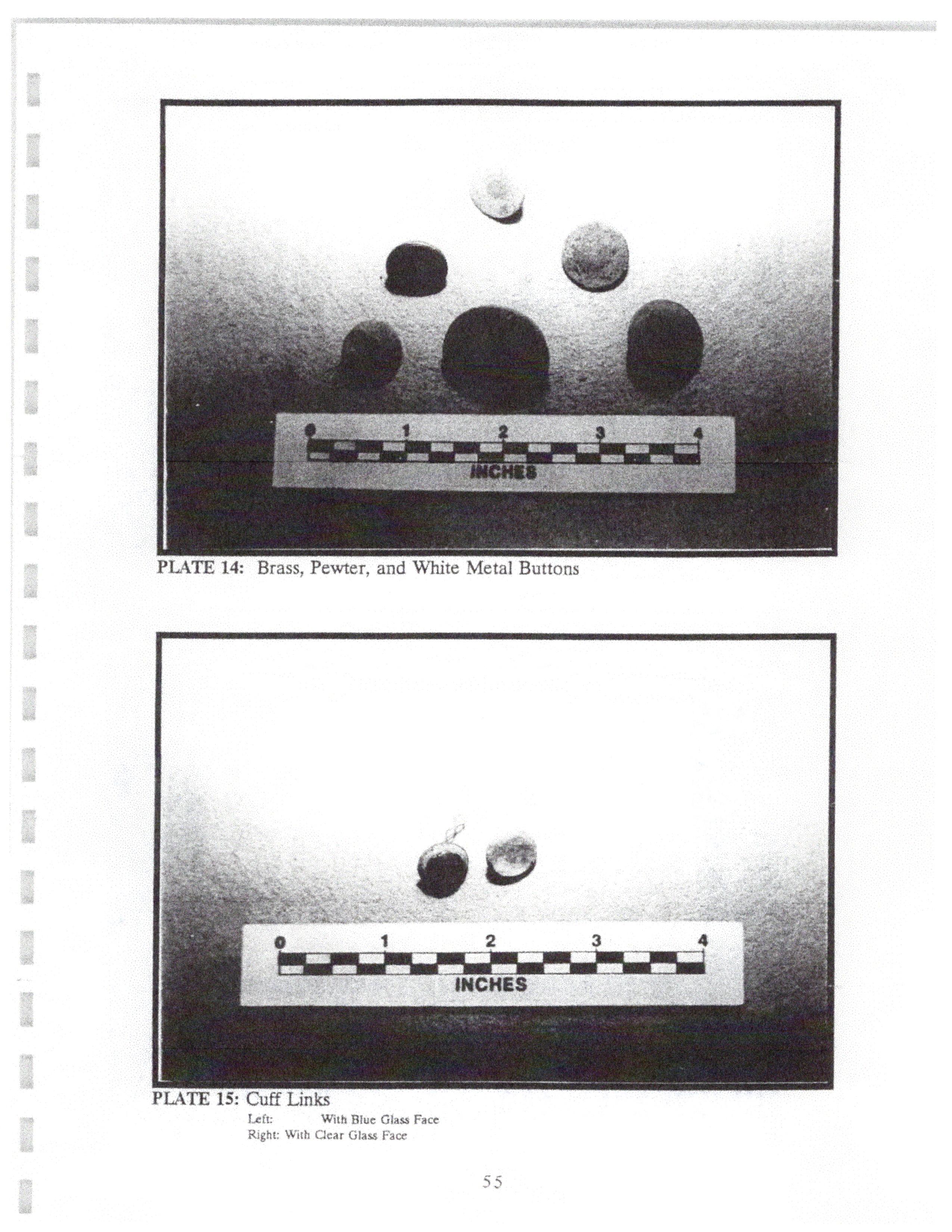
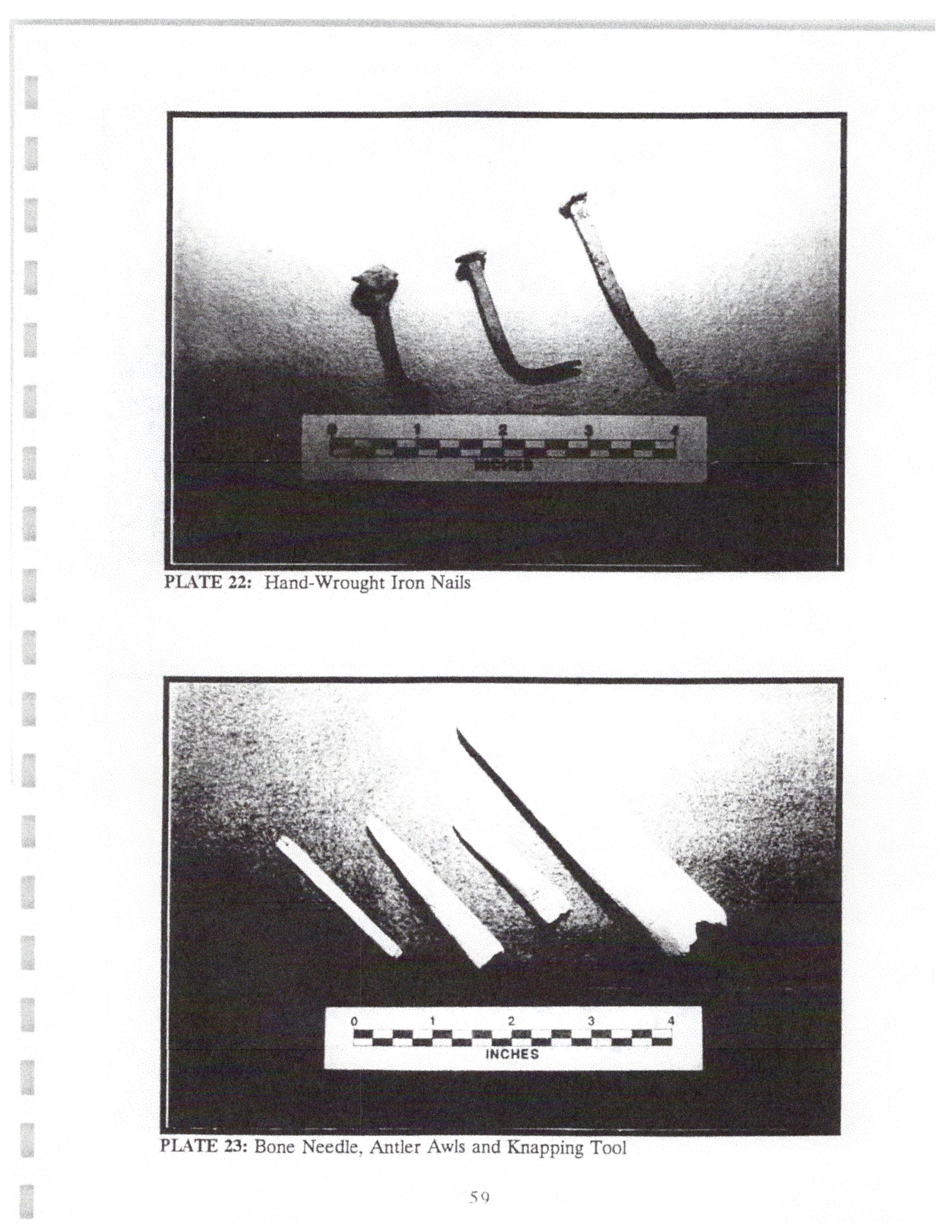
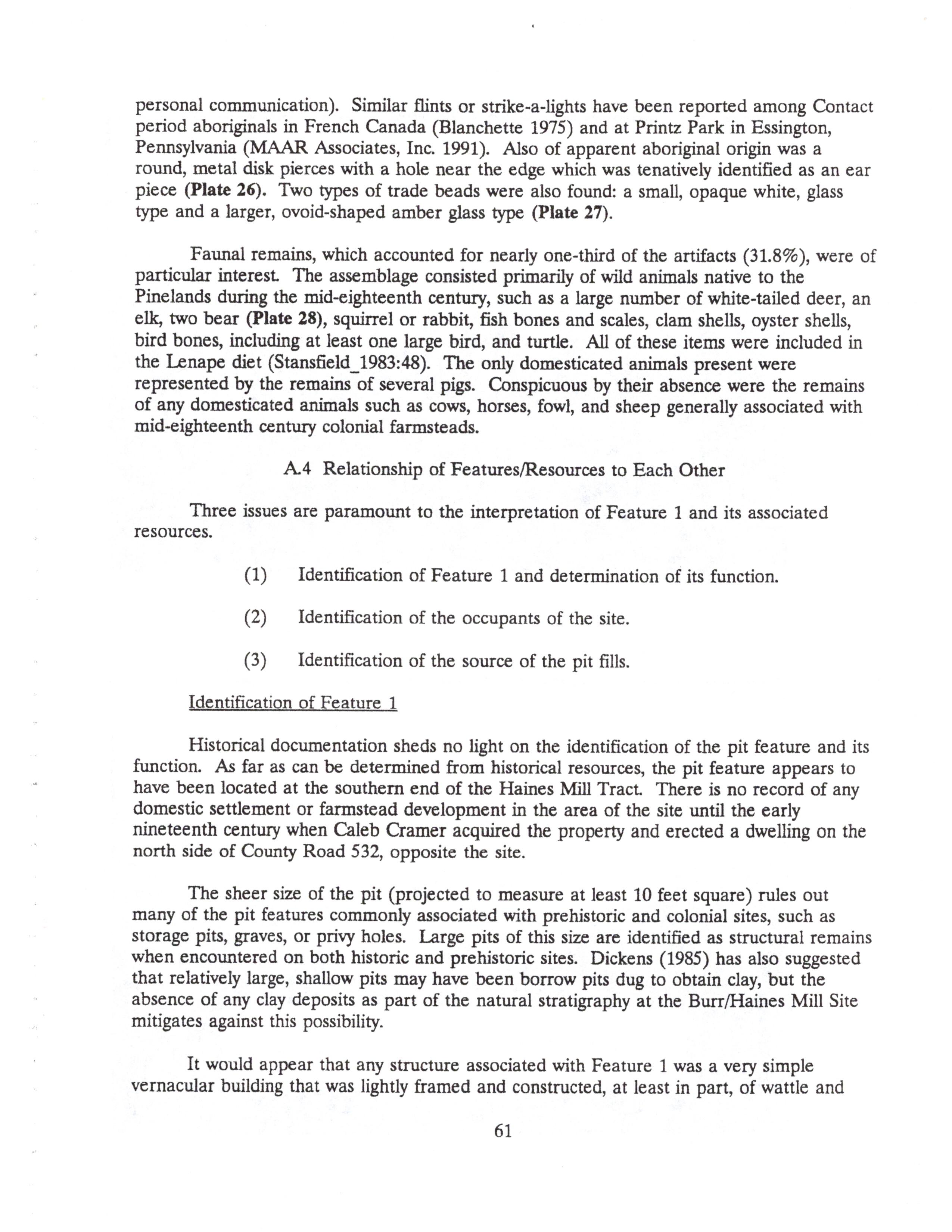
The report illustrates imported or European-style clothing fittings and tableware alongside bone and antler tools. Animal remains were dominated by wild species; pigs were represented, but the usual range of colonial farm livestock was absent. From this combination the authors proposed an Indigenous household maintaining food and craft practices while acquiring European goods. Buttons and cuff links; Bone and antler tools; Faunal analysis, page 61.
Sources and research limits
This is an interpretation of an assemblage, not identification of a named family or proof of particular tribal membership. The THS scan collection preserves the report. The household’s own account remains absent, and the report’s assimilation terminology should not be mistaken for evidence that Indigenous identity disappeared.