A writing project in development
Law and the Joy of
Motorcar Maintenance
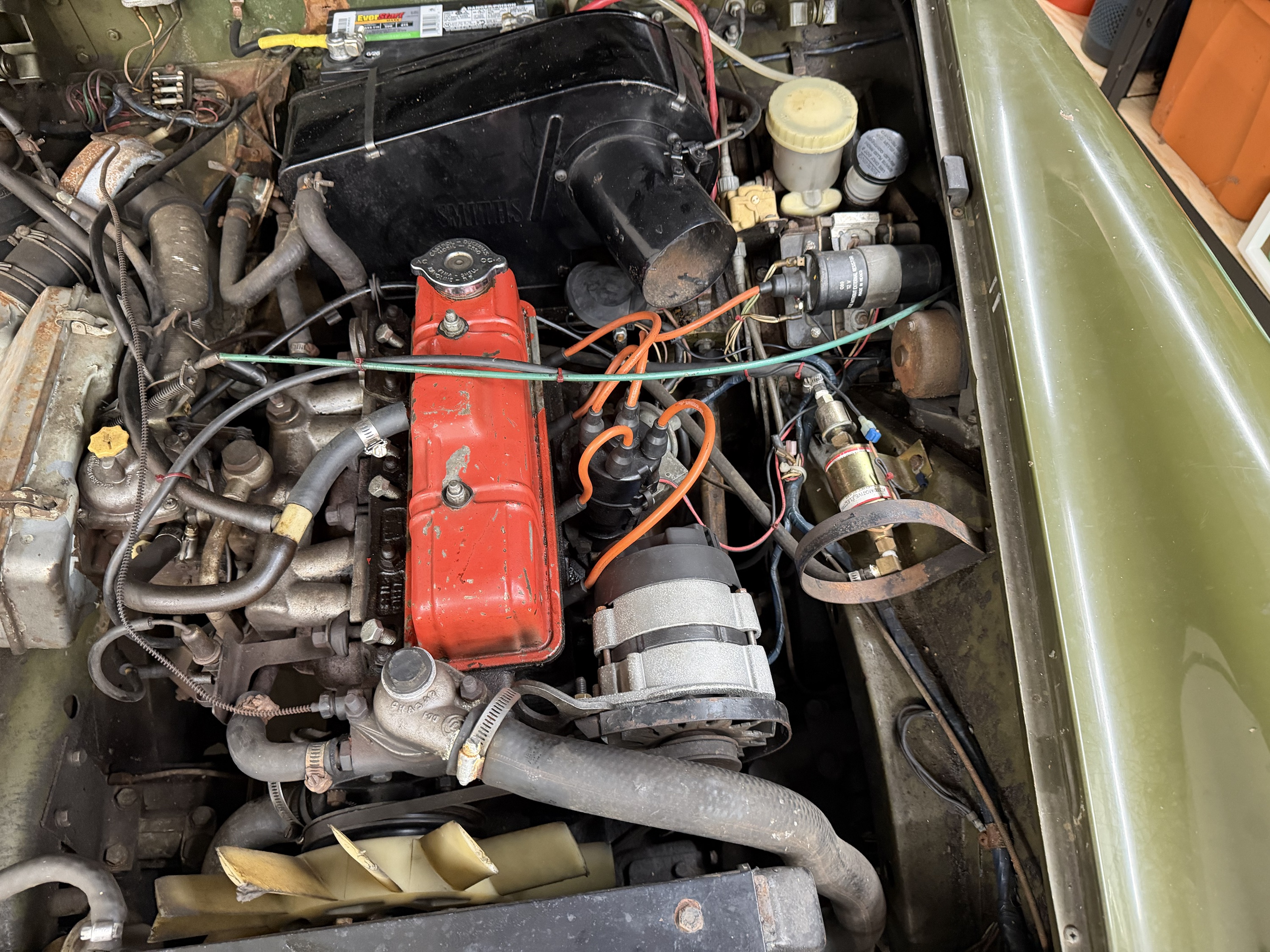
I’m bringing a 1975 MG Midget back to life after nearly a decade in storage. As I work, I’m building a digital model of its engine—a way to learn how the pieces fit together and keep track of what I still need to understand.
The model draws on workshop manuals, photographs, and measurements. Making those sources agree is part of the work. A component can look convincing on a screen while its dimensions remain uncertain. A manual can explain the original design without settling what is actually fitted to this car. The model gives me questions to take back to the garage.
I teach law and write about technology, and some of those questions follow me home from work. How much do you need to understand before you change something? What happens when a system outlives the assumptions behind its design? Under the MG’s bonnet, these are practical questions. Emissions requirements have become parts to identify and maintain; decades of repairs and alterations stand between the factory’s instructions and the next turn of a wrench.
Law and the Joy of Motorcar Maintenance follows the restoration and the model as they develop. The essays explore law, ownership, and the pleasures and frustrations of learning how things work. The immediate ambition is to get the car running. Eventually, I would also like to drive it.
Stories taking shape
Law under the bonnet
An emissions rule eventually becomes something someone has to install, diagnose, and repair. This story follows the connection between the rulebook and the engine bay, asking what becomes of a regulatory decision over a machine’s long working life.
The car in the manual
The workshop manual is indispensable, but it has never met this particular car. Building the engine model means working between the factory’s account, the evidence in front of me, and the gaps in my own understanding. This is a story about learning which questions a diagram can answer—and when to put it down and look.
A car of one’s own
Repairing the MG means deciding what to preserve, what to replace, and what to change. Those choices give ownership a practical dimension beyond the name on the title. This essay explores the freedom to work on something yourself, the limits of that freedom, and the satisfaction of becoming capable of using it.
Inside the work
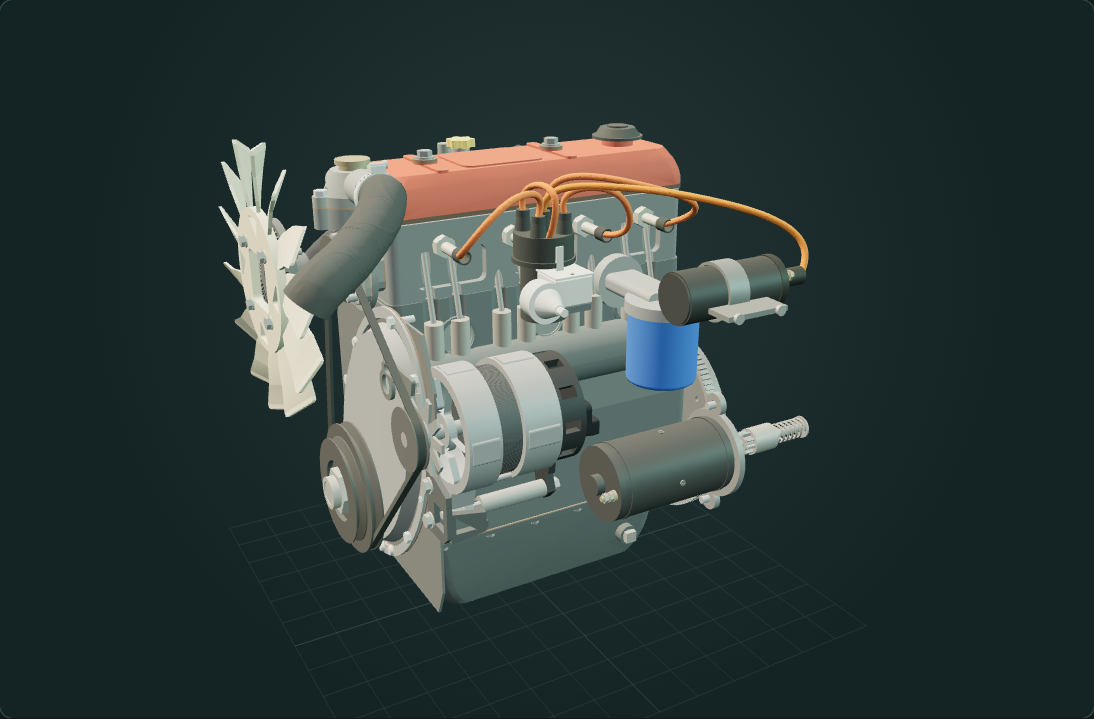
The engine model is a work in progress. Its accompanying accuracy register distinguishes measurements from estimates and records corrections as I learn more about the car.
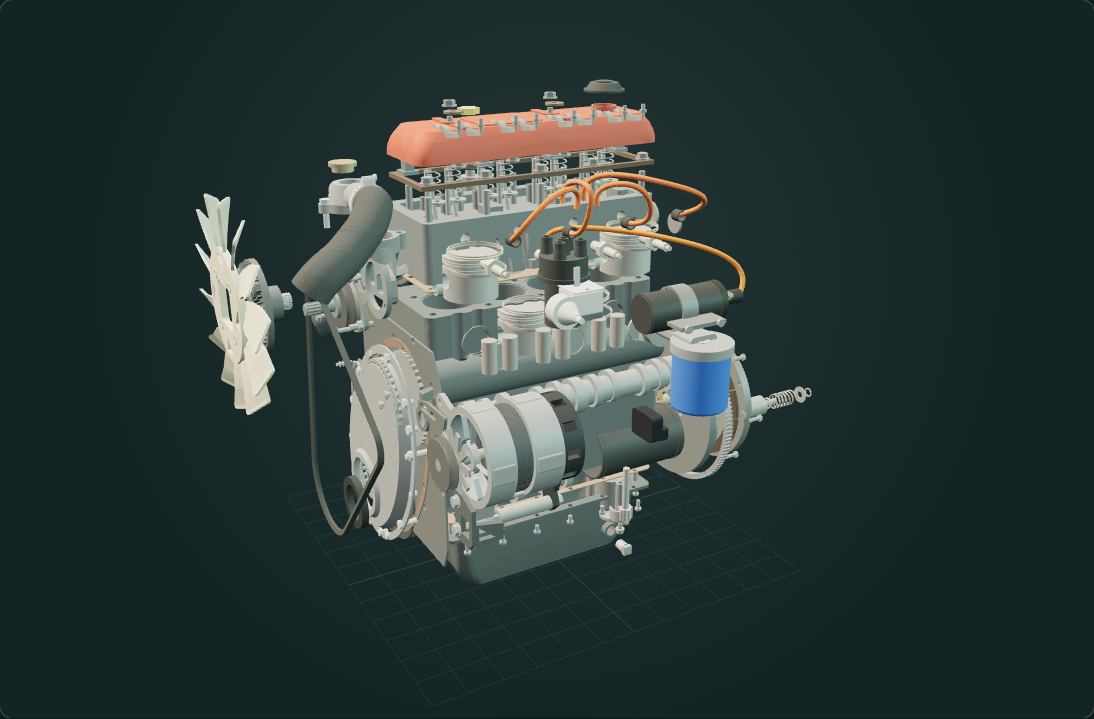
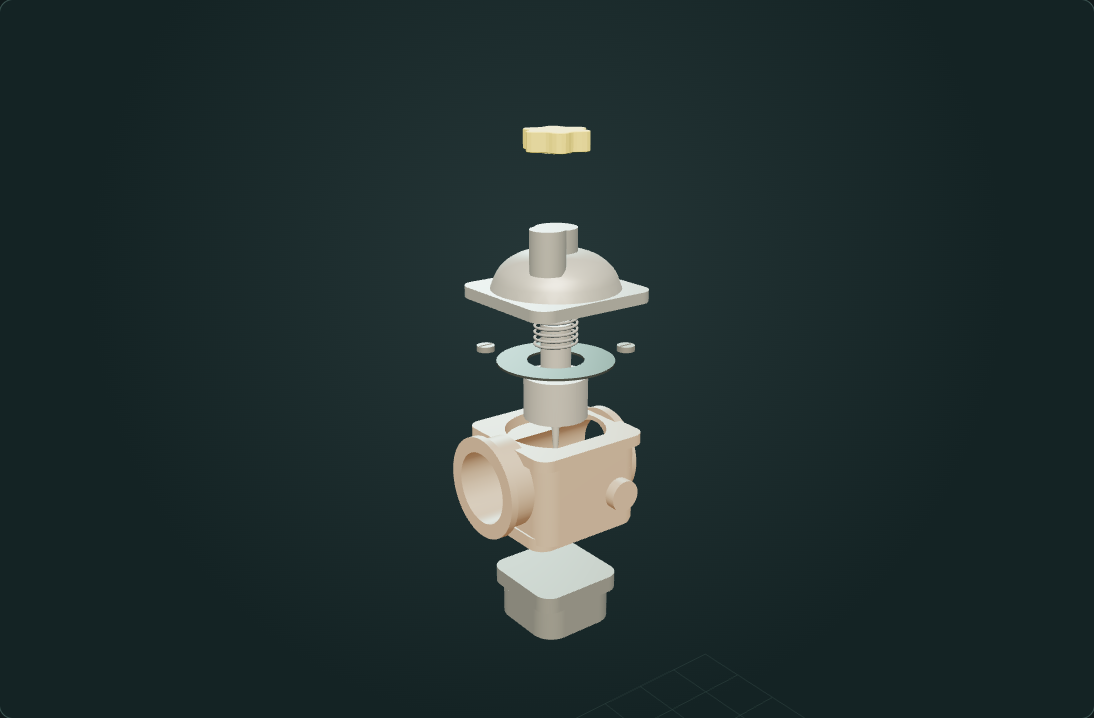
Exploded positions are illustrative; dimensions and fitted locations remain provisional.
Sources
The factory manual’s contents identify a 1975–76 emissions-control section. The EPA’s historical timeline explains the 1970 Clean Air Act and the agency’s role. Original specifications do not establish which equipment survives on this particular car.